
Petroleum Gases, Liquefied (Sweetened)
- Aliphatic solvents
- CAS 68476-86-8
- IUPAC: Petroleum gases, liquefied, sweetened
Petroleum Gases, Liquefied (Sweetened) (CAS 68476-86-8) appears in 7 of the 2,122 car-care products CarCareTruth tracks (as of August 2026).
Simple asphyxiant at very high concentrations (displaces oxygen). H280 (gas under pressure, may explode if heated). No specific organ toxicity or carcinogenicity. Primary hazard is fire — petroleum gases are extremely flammable. OSHA PEL: 500 ppm TWA.
Petroleum gases, liquefied (sweetened) is a refinery-derived mixture of C3–C4 hydrocarbons (propane, butane, isobutane) with hydrogen sulfide removed ("sweetened"). Used as an aerosol propellant in products where propane/butane alone would be labeled but the CAS 68476-86-8 blend notation is preferred.
The GHS classification is H280 (gas under pressure) for the compressed state. No inhalation toxicity H-codes beyond simple asphyxiation at extremely high concentrations — the main hazard is fire and explosion. Because it's used as an aerosol propellant, it's classified as VOC-exempt under US EPA and CARB regulations, which is why it doesn't count toward regulated VOC in aerosol products.
"Sweetened" (as opposed to "sour") means H2S has been removed by an amine treating process — this is standard for consumer-grade propellants to eliminate odor and corrosion concerns.
Health & environment profile
- VOC
- no
- Prop 65 listed
- no
- Asthmagen
- no
- EPA Safer Choice
- no
- Aquatic toxicity
- no
- Biodegradable
- no
- Bioaccumulative
- no
- Persistent
- no
- Ozone depleting
- no
- Microplastic
- no
- PFAS
- no
- Env. score
- 3/5
Common questions about Petroleum Gases, Liquefied (Sweetened)
- What is Petroleum Gases, Liquefied (Sweetened) used for in car care?
- Aerosol propellant in glass cleaner and similar products; pressurizes the can and atomizes liquid contents
- Is Petroleum Gases, Liquefied (Sweetened) a VOC?
- No. Petroleum Gases, Liquefied (Sweetened) is not classified as a volatile organic compound (VOC).
- Is Petroleum Gases, Liquefied (Sweetened) on California's Proposition 65 list?
- No. Petroleum Gases, Liquefied (Sweetened) is not on California's Proposition 65 list.
7 products contain this
 3M Scotchgard Auto Fabric & Carpet Water Shield (4104D)Prop 65
fabric-protectant
 CRC Battery Cleaner with Acid Indicator (11 oz)Prop 65
battery-terminal-cleaner
 CRC 5037 White Lithium Grease (10 oz aerosol)Prop 65
white-lithium-grease
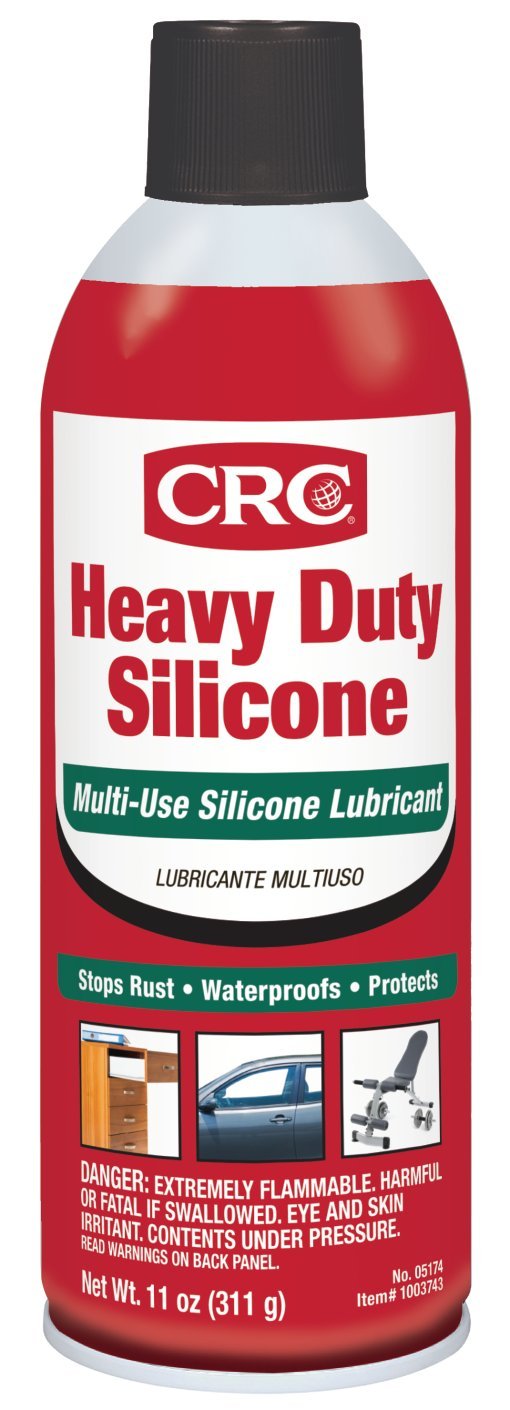 CRC Heavy Duty Silicone Lubricant (11 oz aerosol)Prop 65
silicone-spray
 Permatex 80369 Battery Cleaner Aerosol (5.75 oz)Prop 65
battery-terminal-cleaner
 Permatex Silicone Spray Lubricant (10.25 oz aerosol)Prop 65
silicone-spray
 Prop 65
Related
Health and environment notes translate the manufacturer Safety Data Sheet, the GHS classification, and authoritative regulatory listings (California Prop 65, EPA). Not medical advice. They describe the ingredient itself; whether a hazard applies to a finished product depends on its concentration and how it's used.