
Methanol
- Alcohol solvents
- CAS 67-56-1
- IUPAC: Methanol
Methanol (CAS 67-56-1) appears in 19 of the 2,122 car-care products CarCareTruth tracks (as of August 2026), 11 of which carry a DANGER signal word on their published Safety Data Sheet. It is listed on California's Proposition 65 and classified as a VOC.
Acutely toxic by ingestion (fatal), inhalation (H331), and skin absorption (H311). Metabolizes to formaldehyde and formic acid causing metabolic acidosis, optic nerve damage, and death. Even small ingested doses can cause permanent blindness. Prop 65 listed for developmental/reproductive toxicity.
Methanol (methyl alcohol, wood alcohol) is the simplest alcohol and one of the most hazardous common solvents. In automotive products it is used primarily in windshield washer fluids (30–60% concentration) and some fuel treatments.
Critical hazards: Methanol is acutely toxic via all routes — ingestion (H301, fatal oral dose ~1 mL/kg), skin absorption (H311), and inhalation (H331, GHS Acute Tox 3). Its extreme danger comes from metabolic conversion: the body oxidizes methanol to formaldehyde, then formic acid. Formic acid causes metabolic acidosis and selectively destroys the optic nerve. Even a tablespoon of methanol can cause permanent blindness; a few ounces can be fatal. H370 (STOT SE 1) reflects the optic nerve targeting.
Consumer context: In windshield washer fluid, the primary risk is accidental ingestion — methanol smells and looks like water or other beverages. Never store washer fluid in beverage containers. During normal reservoir fill operations, inhalation risk is low outdoors but real in enclosed garages. Brief skin contact during spills poses lower acute risk, but wash off promptly.
Read more: Is Windshield Washer Fluid Toxic? breaks down the full SDS for methanol-based washer fluid in plain English.
Health & environment profile
- VOC
- yes
- Prop 65 listed
- yes
- Asthmagen
- no
- EPA Safer Choice
- no
- Aquatic toxicity
- no
- Biodegradable
- yes
- Bioaccumulative
- no
- Persistent
- no
- Ozone depleting
- no
- Microplastic
- no
- PFAS
- no
- Env. score
- 3/5
Common questions about Methanol
- What is Methanol used for in car care?
- Freeze-point depressant and primary cleaning agent in windshield washer fluids; industrial solvent
- Is Methanol a VOC?
- Yes. Methanol is classified as a volatile organic compound (VOC).
- Is Methanol on California's Proposition 65 list?
- Yes. Methanol appears on California's Proposition 65 list.
- Is Methanol biodegradable?
- Yes. Methanol has a confirmed biodegradable profile.
19 products contain this
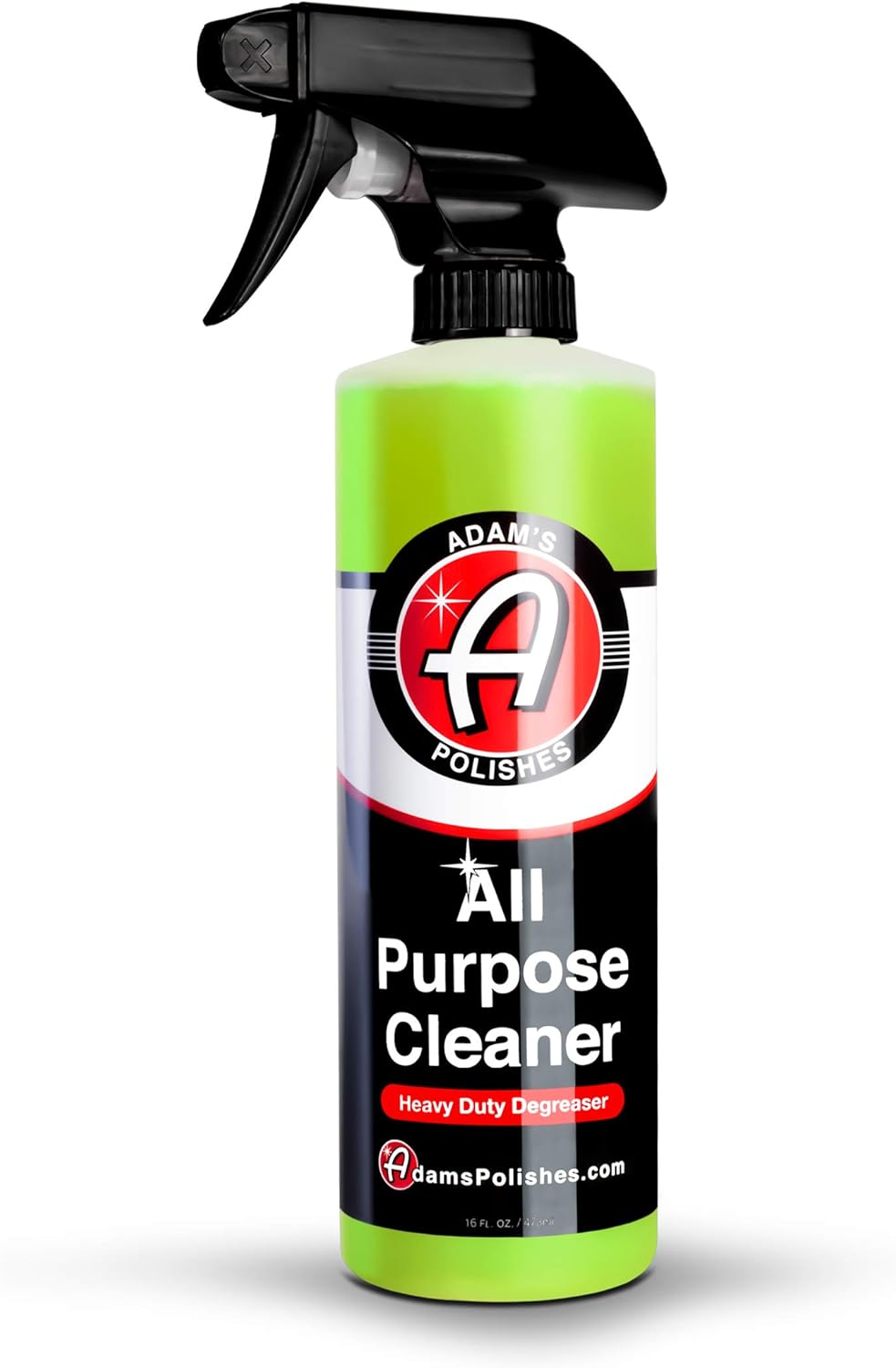 Adam's Polishes All Purpose CleanerProp 65
all-purpose-cleaner
 CarPro Cquartz UK 3.0Prop 65
ceramic-coating
 Chemical Guys HydroBlitz Hybrid Ceramic Spray WaxProp 65
ceramic-spray-coating
 CRC MAF Sensor & Throttle Body Cleaner Twin Pack, Case of 6Prop 65
maf-sensor-cleaner
 CRC MAF Sensor & Throttle Body Cleaner Bundle (11 oz + 12 oz)Prop 65
maf-sensor-cleaner
 CRC Mass Air Flow Sensor Cleaner (11 oz aerosol)Prop 65
maf-sensor-cleaner
 Ethos Car Care Ethos Graphene Coating PRO V2.0Prop 65
ceramic-coating
 Johnsen's 4721 Mass Air Flow Sensor CleanerProp 65
maf-sensor-cleaner
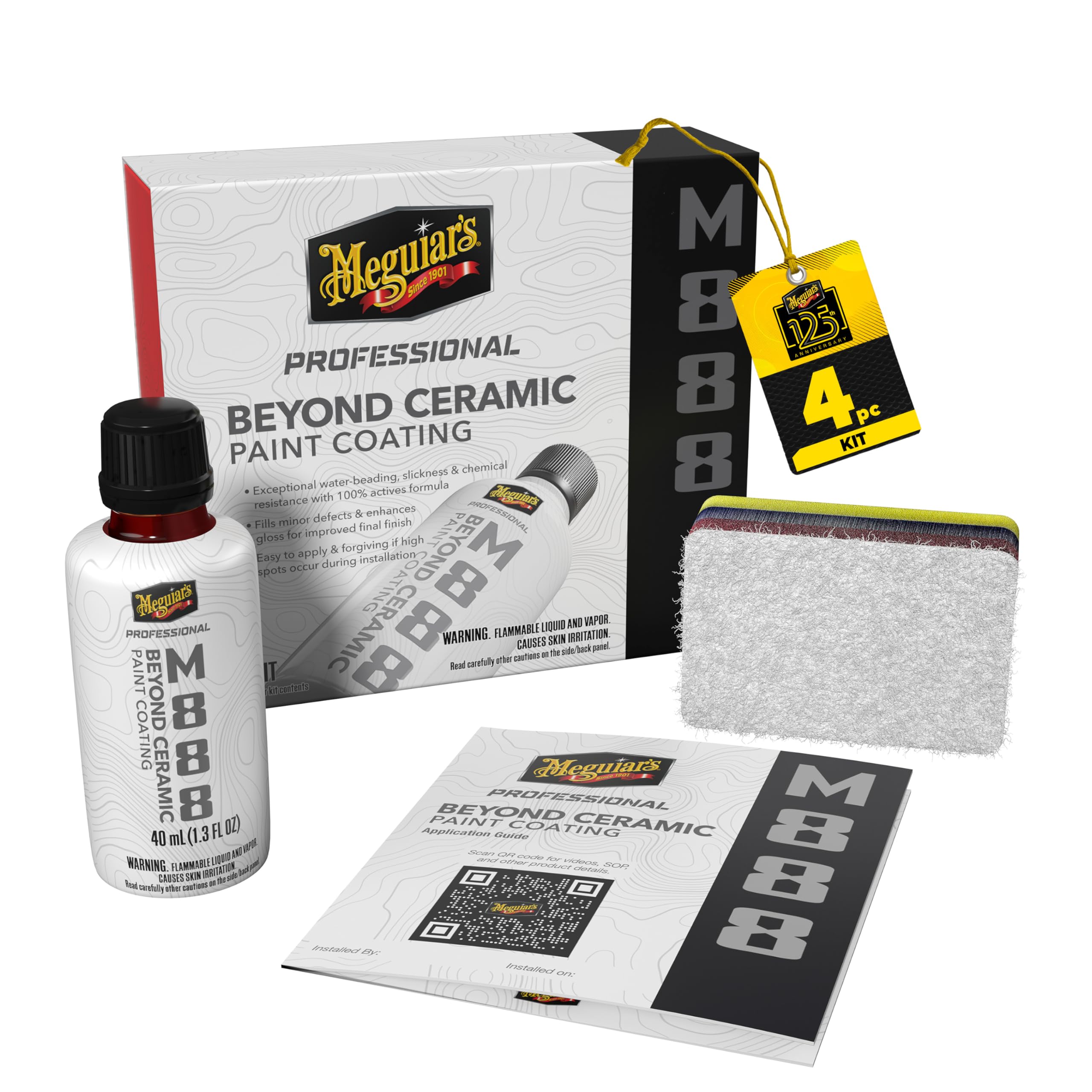 Meguiar's Professional Beyond Ceramic Paint Coating M888
ceramic-coating
 Meguiar's Ultimate Glass Cleaner & Water RepellentProp 65
rain-repellent
 Mothers NuLens Headlight Renewal Kit (07251)Prop 65
headlight-restoration-kit
 Prop 65
 Prop 65
 Prop 65
 SONAX CC Pro Ceramic Coating KitProp 65
ceramic-coating
 Prop 65
 Turtle Wax Fresh Clean All-Surface CleanerProp 65
all-purpose-cleaner
 Turtle Wax Hybrid Solutions Pure Bead Advanced Car Coating SprayProp 65
ceramic-spray-coating
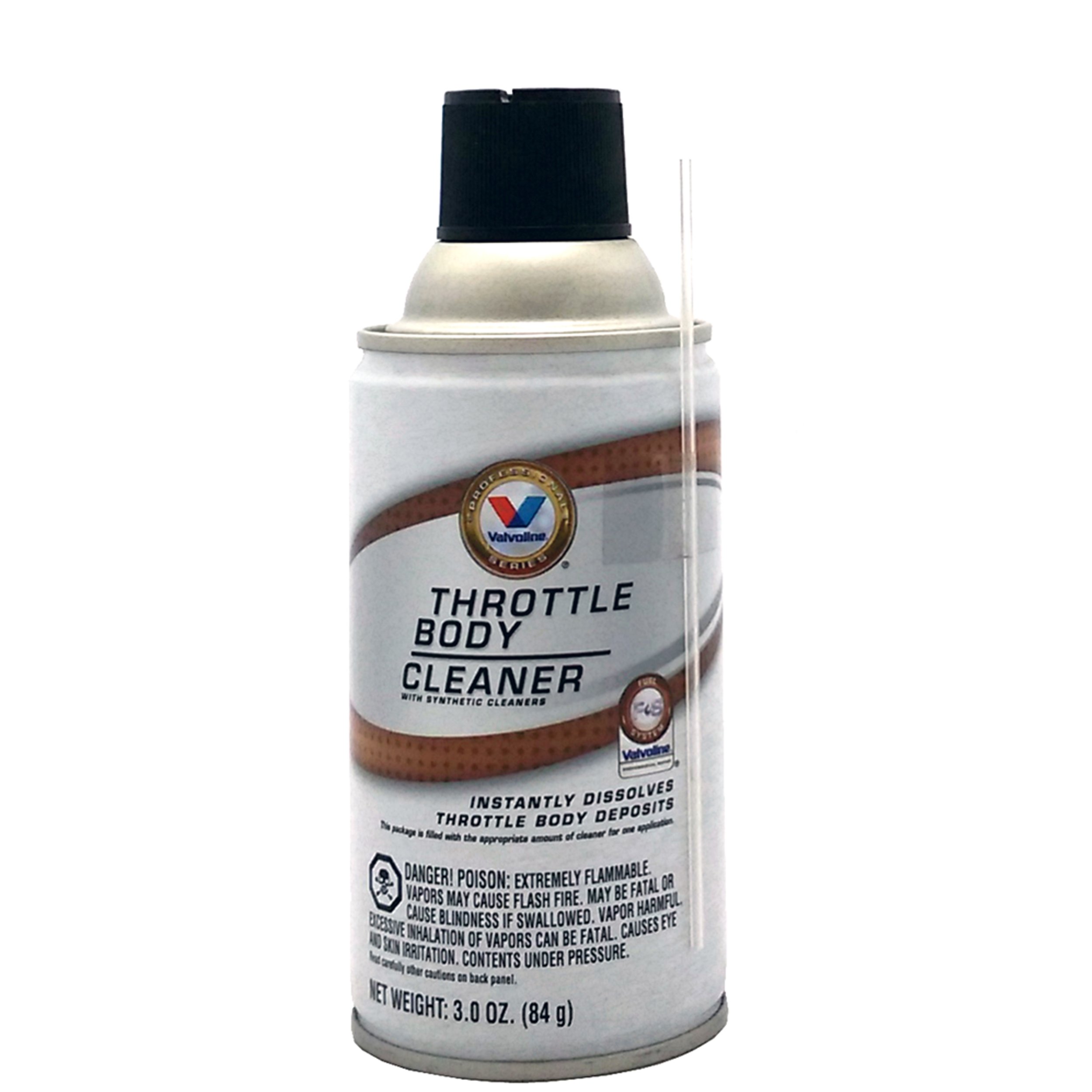 Prop 65
Related
Health and environment notes translate the manufacturer Safety Data Sheet, the GHS classification, and authoritative regulatory listings (California Prop 65, EPA). Not medical advice. They describe the ingredient itself; whether a hazard applies to a finished product depends on its concentration and how it's used.