
Hydrocarbons, C10–C12, isoalkanes, <2% aromatics
- Aliphatic solvents
Hydrocarbons, C10–C12, isoalkanes, <2% aromatics appears in 4 of the 2,122 car-care products CarCareTruth tracks (as of August 2026). It is classified as a VOC.
C10–C12 isoparaffinic fraction classified Asp. Tox. 1 (H304 — aspiration hazard if swallowed) and Aquatic Chronic 2 (H411 — toxic to aquatic life with long lasting effects) at ingredient level. No mixture-level H304 classification is required when the overall mixture viscosity exceeds 20.5 mm²/s, as is typical for gel-format tire dressings. The aspiration risk is relevant only via ingestion, not normal topical use.
Hydrocarbons C10–C12, isoalkanes, <2% aromatics is a refined isoparaffinic petroleum fraction used as the primary carrier solvent in petroleum-based tire dressings and surface coatings. The low aromatic content (<2%) reduces carcinogenicity risk compared to aromatic-rich petroleum distillates, but the C10–C12 carbon chain length places it squarely in the H304 (aspiration hazard) classification family — ingesting and aspirating this material can cause chemical pneumonitis.
At the ingredient level, the Aquatic Chronic 2 (H411) classification indicates chronic aquatic toxicity potential. The hydrophobic nature of this fraction means it partitions to sediment and organic matter in water bodies rather than dissolving readily, but the persistence and bioaccumulative tendency of the C10–C12 range makes environmental release a concern. At the leave-on concentrations used in tire dressings, the environmental pathway is primarily via tire wear particles and first-wash runoff.
In finished tire gel formulas at 12.5–20%, this carrier provides the low-viscosity spreading needed for uniform applicator distribution, then the C10–C12 fraction partially flashes off as the polymer network cures on the tire surface.
Health & environment profile
- VOC
- yes
- Prop 65 listed
- no
- Asthmagen
- no
- EPA Safer Choice
- no
- Aquatic toxicity
- yes
- Biodegradable
- no
- Bioaccumulative
- no
- Persistent
- yes
- Ozone depleting
- no
- Microplastic
- no
- PFAS
- no
- Env. score
- 3/5
Common questions about Hydrocarbons, C10–C12, isoalkanes, <2% aromatics
- What is Hydrocarbons, C10–C12, isoalkanes, <2% aromatics used for in car care?
- Primary carrier solvent in petroleum-based tire dressings and trim coatings; provides low-viscosity spreading and surface wetting, flashes off during cure
- Is Hydrocarbons, C10–C12, isoalkanes, <2% aromatics a VOC?
- Yes. Hydrocarbons, C10–C12, isoalkanes, <2% aromatics is classified as a volatile organic compound (VOC).
- Is Hydrocarbons, C10–C12, isoalkanes, <2% aromatics on California's Proposition 65 list?
- No. Hydrocarbons, C10–C12, isoalkanes, <2% aromatics is not on California's Proposition 65 list.
4 products contain this
 Prop 65
 Gtechniq G5 Water Repellent Coating
rain-repellent
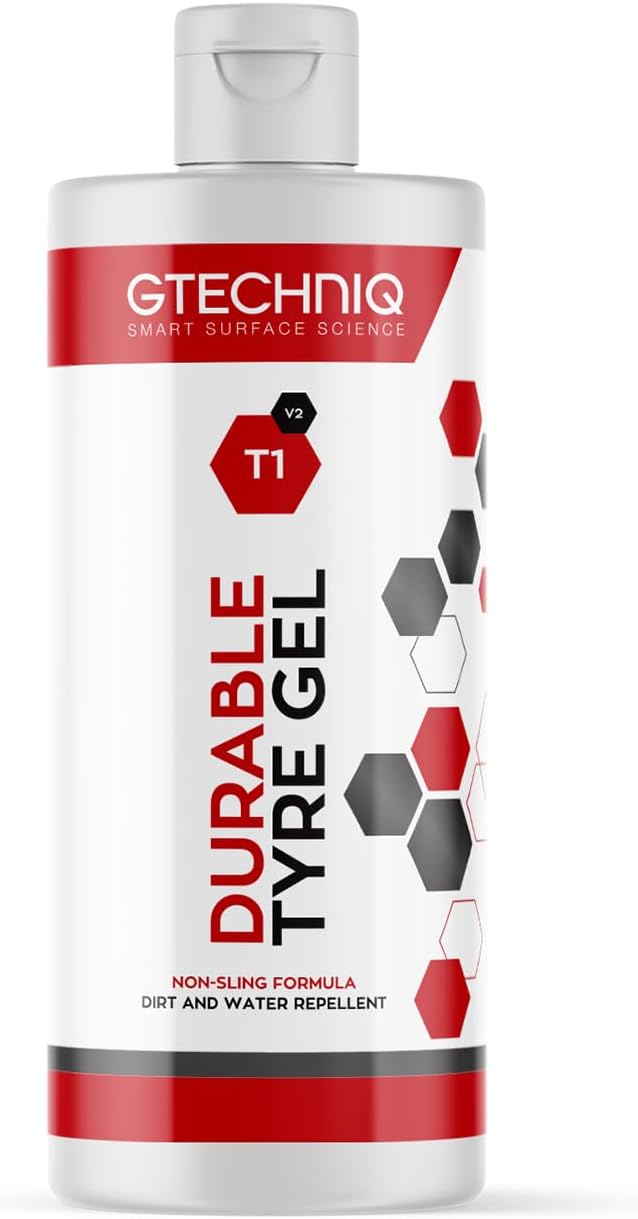 Gtechniq T1 Tyre and Trim
trim-restorer
 RUPES UNO Protect One Step Polish & Sealant
one-step-polish
Related
Health and environment notes translate the manufacturer Safety Data Sheet, the GHS classification, and authoritative regulatory listings (California Prop 65, EPA). Not medical advice. They describe the ingredient itself; whether a hazard applies to a finished product depends on its concentration and how it's used.