
Sodium Lauryl Sulfate (SLS)
- Anionic surfactants
- CAS 151-21-3
- IUPAC: Sodium dodecyl sulfate
Sodium Lauryl Sulfate (SLS) (CAS 151-21-3) appears in 11 of the 2,122 car-care products CarCareTruth tracks (as of August 2026). It is readily biodegradable.
Skin and eye irritant at higher concentrations. LD50 oral rat 1,200 mg/kg. LC50 inhalation rat >3,900 mg/m3. Well-studied surfactant used in thousands of consumer products at low concentrations.
Sodium lauryl sulfate (SLS) is one of the most common anionic surfactants in cleaning products, personal care, and industrial formulations. In auto-detailing products it serves as a wetting agent and foaming surfactant at low concentrations (typically <5%).
At the concentrations used in car-care products (<5%), SLS contributes to the cleaning action without driving hazard classification at the mixture level. The ingredient-level aquatic toxicity (LC50 fish 1–10 mg/L per Griot's SDS §12) is real but does not manifest as a mixture-level H4xx code when diluted in the final product formula.
Readily biodegradable. Not bioaccumulative. Often confused with sodium laureth sulfate (SLES), which is the ethoxylated form with a milder skin-irritation profile.
Health & environment profile
- VOC
- no
- Prop 65 listed
- no
- Asthmagen
- no
- EPA Safer Choice
- no
- Aquatic toxicity
- yes
- Biodegradable
- yes
- Bioaccumulative
- no
- Persistent
- no
- Ozone depleting
- no
- Microplastic
- no
- PFAS
- no
- Env. score
- 4/5
Common questions about Sodium Lauryl Sulfate (SLS)
- What is Sodium Lauryl Sulfate (SLS) used for in car care?
- Anionic surfactant — aids wetting and rinse-off
- Is Sodium Lauryl Sulfate (SLS) a VOC?
- No. Sodium Lauryl Sulfate (SLS) is not classified as a volatile organic compound (VOC).
- Is Sodium Lauryl Sulfate (SLS) on California's Proposition 65 list?
- No. Sodium Lauryl Sulfate (SLS) is not on California's Proposition 65 list.
- Is Sodium Lauryl Sulfate (SLS) biodegradable?
- Yes. Sodium Lauryl Sulfate (SLS) has a confirmed biodegradable profile.
11 products contain this
 Griot's Garage Brilliant Finish Car Wash
car-shampoo
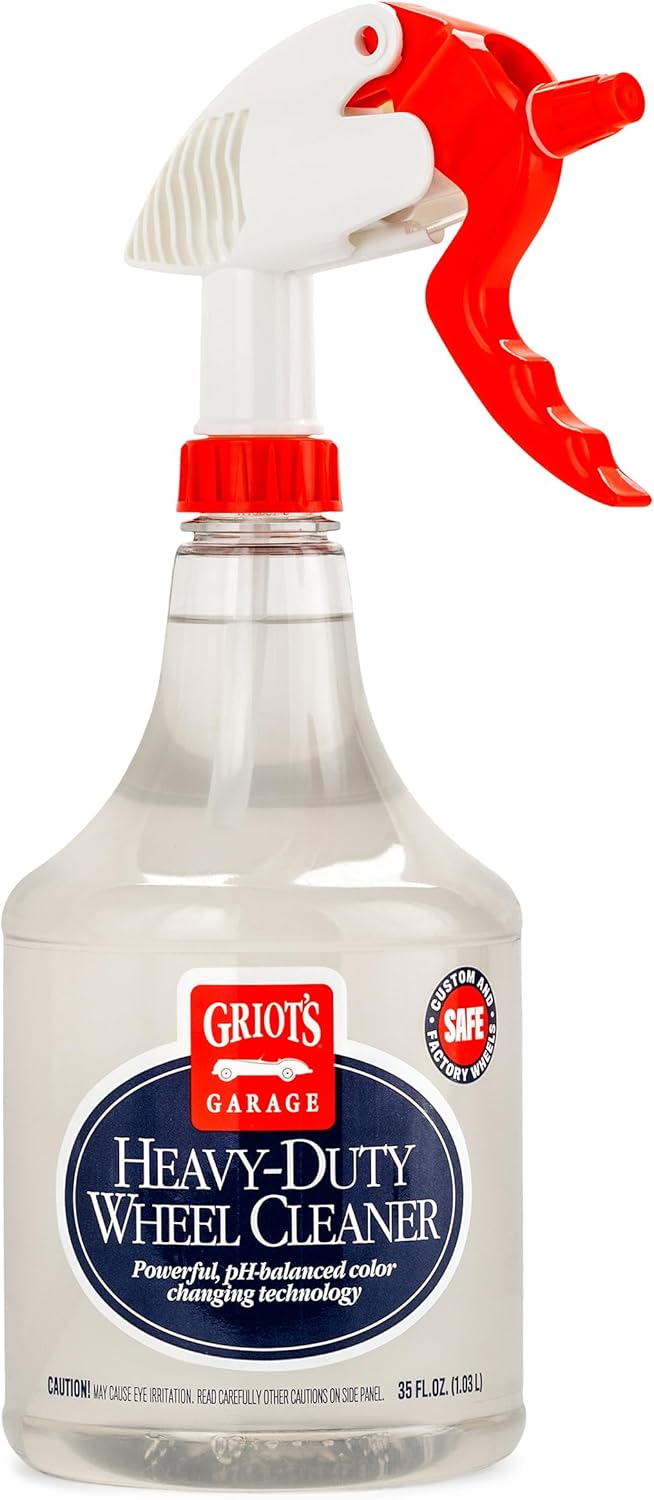 Griot's Garage Heavy-Duty Wheel Cleaner
wheel-cleaner
 Prop 65
 Optimum FerreX Iron Remover
iron-remover
 Resolve Multi-Fabric Cleaner and Upholstery Stain Remover
fabric-upholstery-cleaner
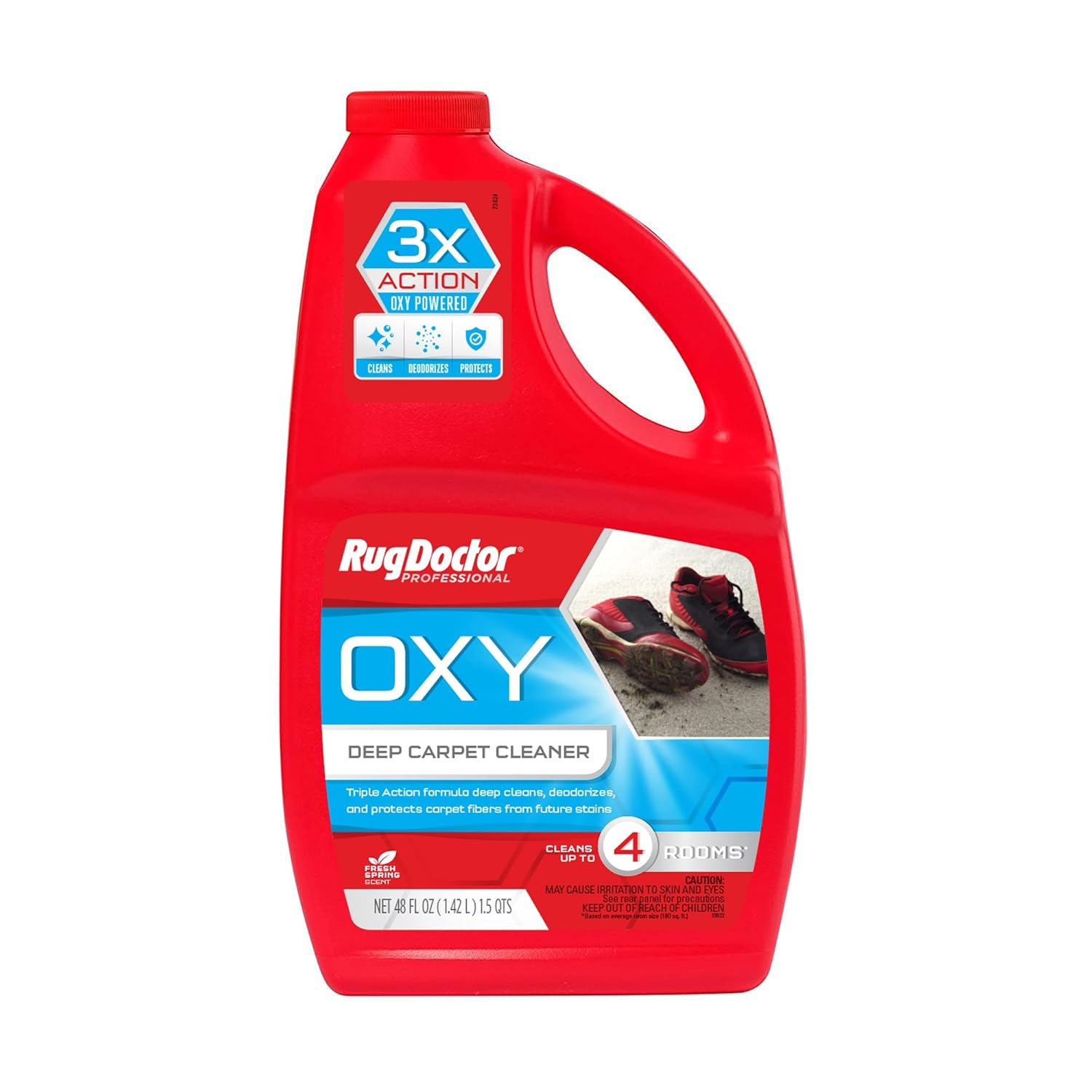 Rug Doctor Triple Action Oxy Deep Carpet Cleaner
extractor-solution
 Turtle Wax Fresh Clean All-Surface CleanerProp 65
all-purpose-cleaner
 Turtle Wax ICE Snow Foam Car Wash
car-shampoo
 Turtle Wax Power Out! Carpet & Mats Heavy Duty Cleaner
carpet-cleaner
 Turtle Wax Spot Clean Stain & Odor RemoverProp 65
fabric-upholstery-cleaner
 Turtle Wax Dash & Glass ProtectantProp 65
dashboard-protectant
Related
Health and environment notes translate the manufacturer Safety Data Sheet, the GHS classification, and authoritative regulatory listings (California Prop 65, EPA). Not medical advice. They describe the ingredient itself; whether a hazard applies to a finished product depends on its concentration and how it's used.