
Polyisobutene
- Polymers
- CAS 9003-27-4
- IUPAC: Poly(1-methylethylene)
Polyisobutene (CAS 9003-27-4) appears in 2 of the 2,122 car-care products CarCareTruth tracks (as of August 2026).
Not classified as hazardous under GHS. A synthetic polymer with no known toxicity in normal use. Low-molecular-weight grades are slightly more mobile than high-MW grades but neither bioaccumulates.
Polyisobutene (PIB) is a synthetic hydrocarbon polymer derived from isobutylene. It is widely used in cosmetics, food packaging adhesives, and leather conditioners as a film-forming and waterproofing agent. At the concentrations found in leather care products (typically 50–70%), it forms a flexible, breathable barrier on the leather surface that resists water penetration without creating a greasy film.
Polyisobutene is not classified as hazardous under GHS/OSHA HazCom. It has no skin sensitization, irritation, or inhalation hazard classification. It does not biodegrade readily, making it an environmentally persistent ingredient, but its low aquatic toxicity and non-volatile nature limit environmental exposure risk in leave-on applications.
Health & environment profile
- VOC
- no
- Prop 65 listed
- no
- Asthmagen
- no
- EPA Safer Choice
- no
- Aquatic toxicity
- no
- Biodegradable
- no
- Bioaccumulative
- no
- Persistent
- yes
- Ozone depleting
- no
- Microplastic
- no
- PFAS
- no
- Env. score
- 3/5
Common questions about Polyisobutene
- What is Polyisobutene used for in car care?
- Film-forming conditioning agent and protective barrier in leather care products
- Is Polyisobutene a VOC?
- No. Polyisobutene is not classified as a volatile organic compound (VOC).
- Is Polyisobutene on California's Proposition 65 list?
- No. Polyisobutene is not on California's Proposition 65 list.
2 products contain this
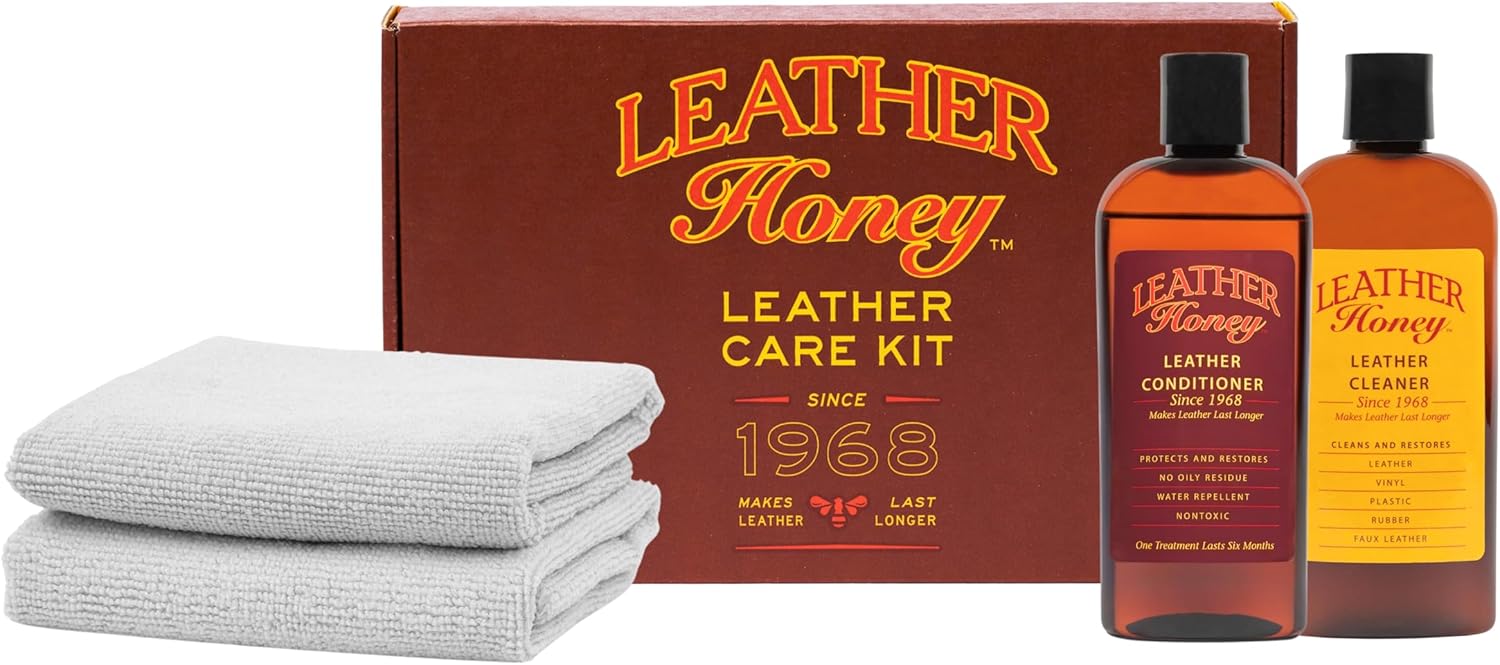 Leather Honey Complete Leather Care Kit
leather-care
 Leather Honey Leather Conditioner
leather-conditioner
Related
Health and environment notes translate the manufacturer Safety Data Sheet, the GHS classification, and authoritative regulatory listings (California Prop 65, EPA). Not medical advice. They describe the ingredient itself; whether a hazard applies to a finished product depends on its concentration and how it's used.