
Kaolinite (Kaolin Clay)
- Abrasives
- CAS 1318-74-7
- IUPAC: Aluminum silicate hydroxide
Kaolinite (Kaolin Clay) (CAS 1318-74-7) appears in 1 of the 2,122 car-care products CarCareTruth tracks (as of August 2026).
ACGIH classifies kaolinite at TWA 2 mg/m³ (respirable fraction). Not classified as carcinogenic. Prolonged occupational inhalation of kaolin dust can cause pneumoconiosis (noted in SDS §11 for mining/industrial contexts). Consumer rubbing compound use — wet application — presents negligible inhalation risk.
Kaolinite (kaolin clay, CAS 1318-74-7) is a naturally occurring aluminosilicate mineral used as a mild abrasive and thickener in automotive polishing compounds. At 3–7% in headlight restoration rubbing compounds, it contributes to the compound's cut while supporting the paste viscosity.
The 3M Rubbing Compound SDS (29-3593-0) lists kaolinite under pneumoconiosis effects in Section 11 — this reflects occupational inhalation under industrial conditions, not consumer wet-application use. The ACGIH TWA of 2 mg/m³ respirable fraction is for dusting environments; wet use suppresses airborne particulate.
Health & environment profile
- VOC
- no
- Prop 65 listed
- no
- Asthmagen
- no
- EPA Safer Choice
- no
- Aquatic toxicity
- no
- Biodegradable
- no
- Bioaccumulative
- no
- Persistent
- yes
- Ozone depleting
- no
- Microplastic
- no
- PFAS
- no
- Env. score
- 3/5
Common questions about Kaolinite (Kaolin Clay)
- What is Kaolinite (Kaolin Clay) used for in car care?
- Clay abrasive and thickener in rubbing compounds and polishing products
- Is Kaolinite (Kaolin Clay) a VOC?
- No. Kaolinite (Kaolin Clay) is not classified as a volatile organic compound (VOC).
- Is Kaolinite (Kaolin Clay) on California's Proposition 65 list?
- No. Kaolinite (Kaolin Clay) is not on California's Proposition 65 list.
1 product contain this
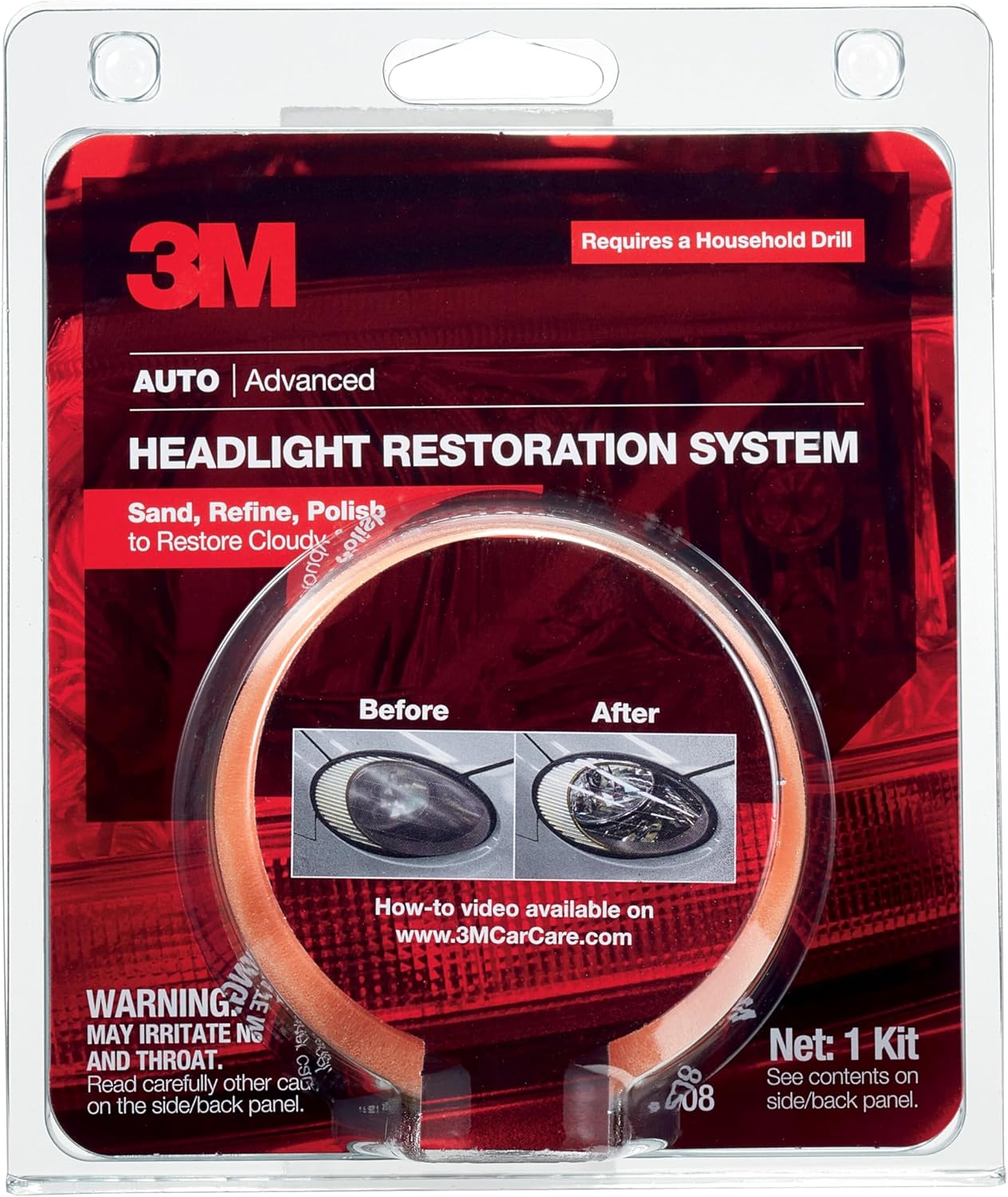 3M Headlight Lens Restoration System (39008)Prop 65
headlight-restoration-kit
Related
Health and environment notes translate the manufacturer Safety Data Sheet, the GHS classification, and authoritative regulatory listings (California Prop 65, EPA). Not medical advice. They describe the ingredient itself; whether a hazard applies to a finished product depends on its concentration and how it's used.